Overview
This project analyzes hotel booking records to uncover drivers of cancellations and pricing (ADR) patterns, and builds predictive models to support operational decisions (e.g., overbooking and customer targeting).
Dataset & Prep
- Scale: 119K+ bookings with 30+ features (booking lead time, market segment, deposit type, special requests, etc.)
- Data cleaning:
- removed extreme ADR outliers (max ADR observed = 5400)
- categorical encoding + train/test split for cancellation prediction
Exploratory Analysis (ADR / Pricing Patterns)
ADR summary statistics (before outlier removal):
- mean ≈ 101.97, median ≈ 94.95
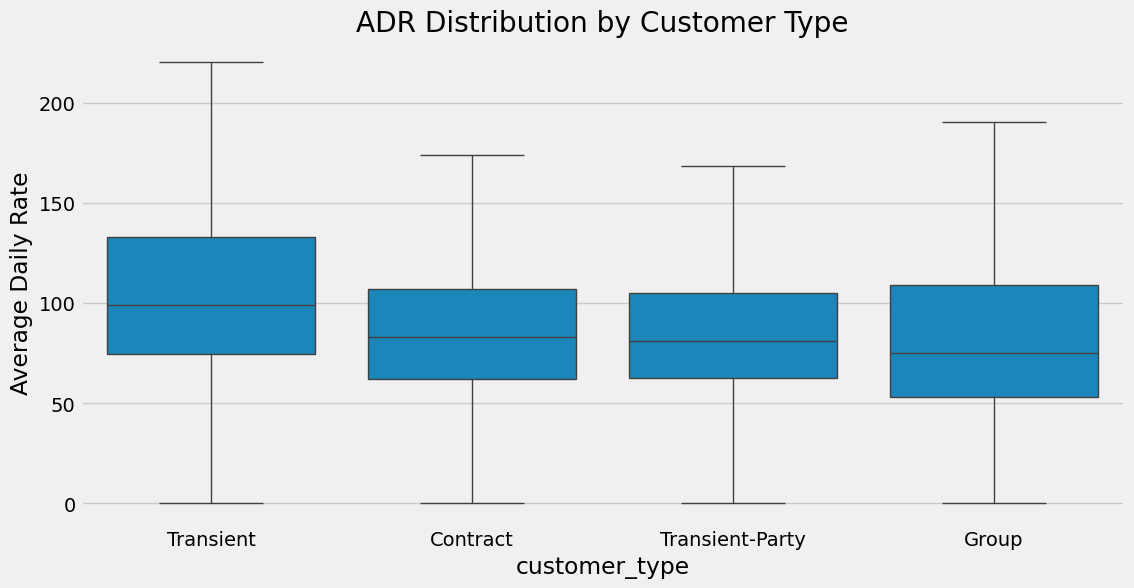
Seasonality (ADR by month / year):
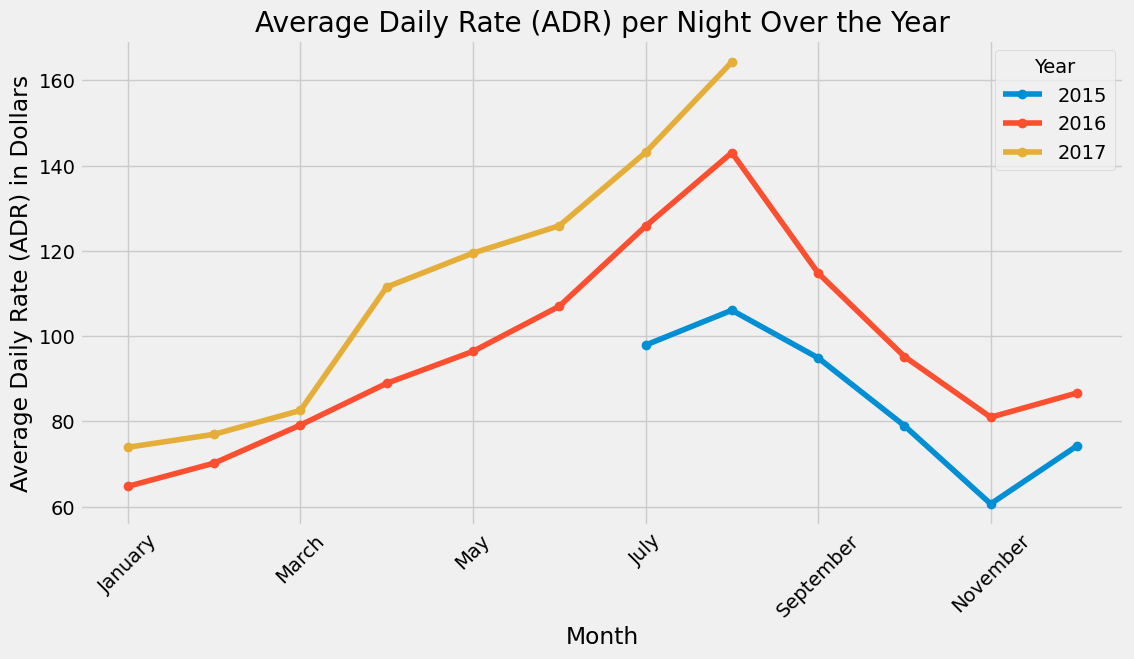
ADR differs by hotel type:
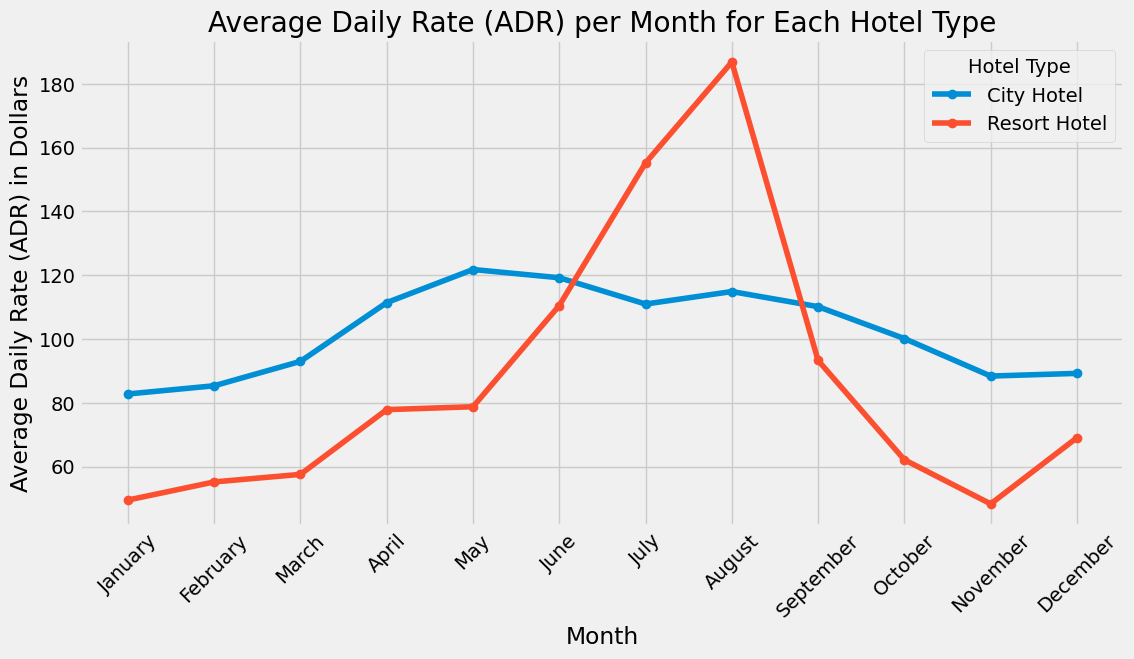
Correlation overview:
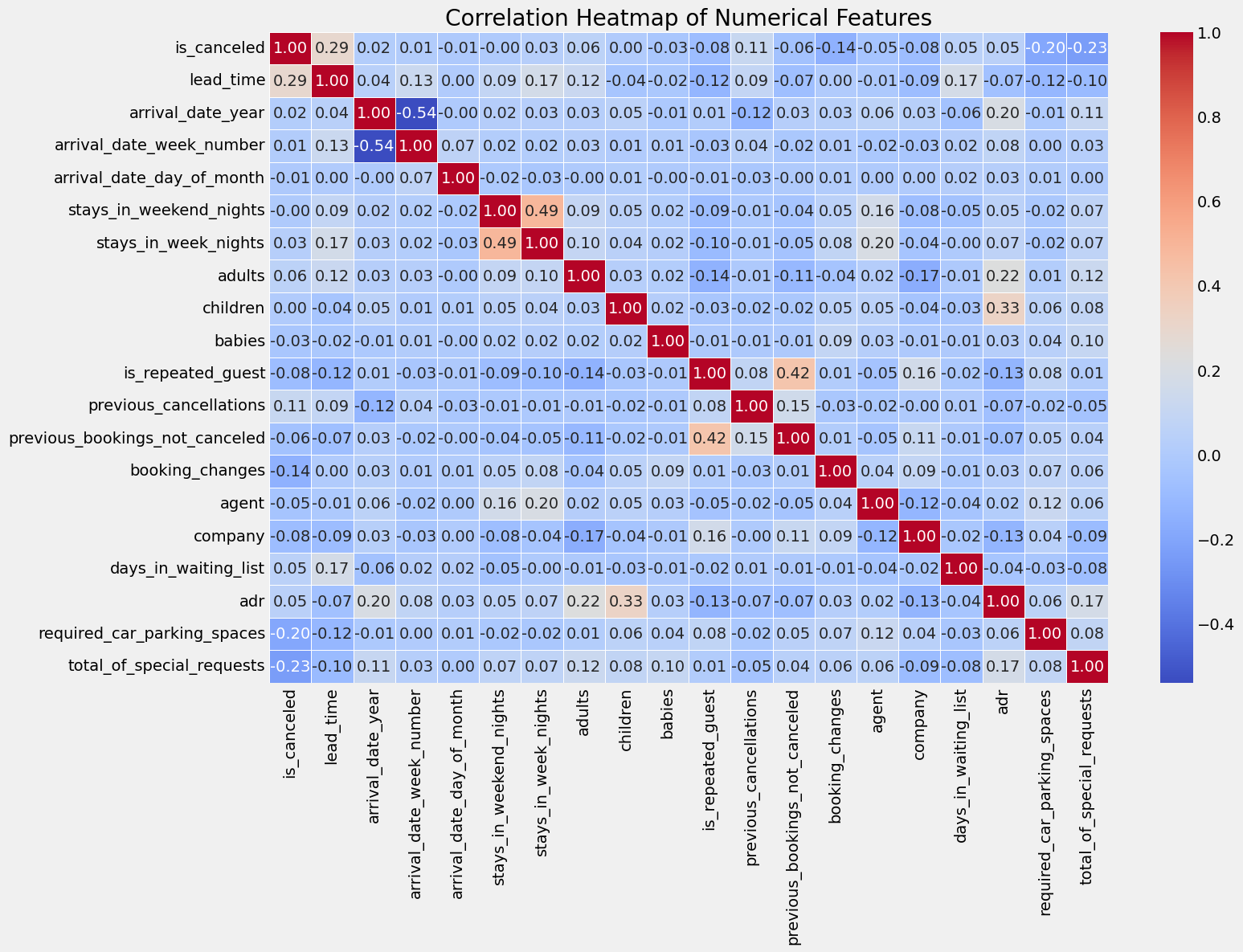
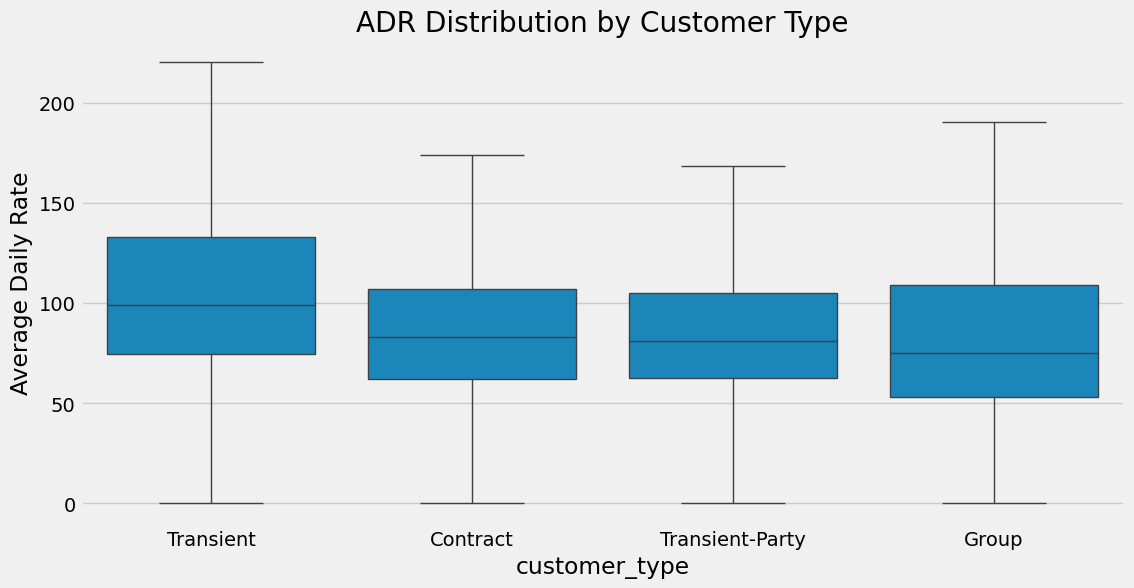
ADR differs across customer types:
Cancellation Drivers (EDA)
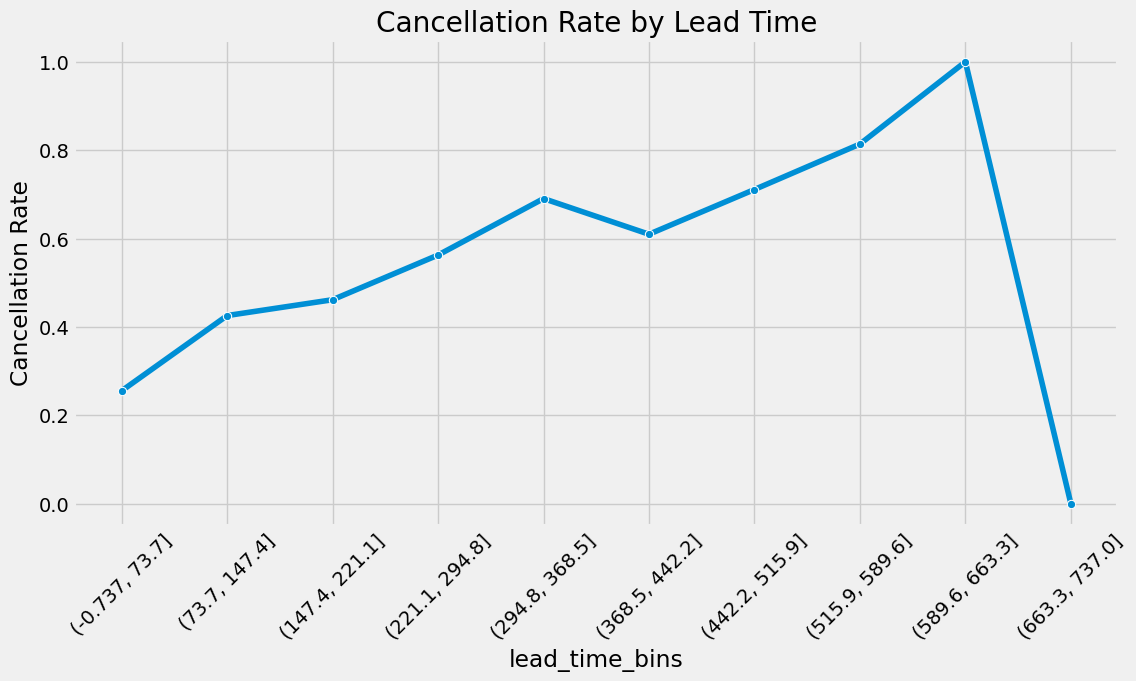
Cancellation rate increases with lead time:
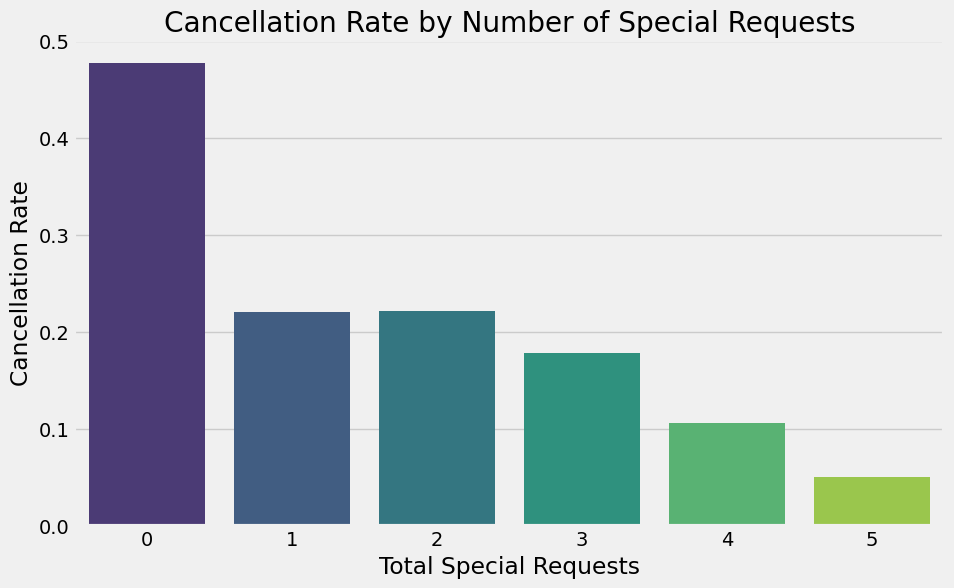
More special requests → lower cancellation probability:
Predictive Modeling: Cancellation Prediction
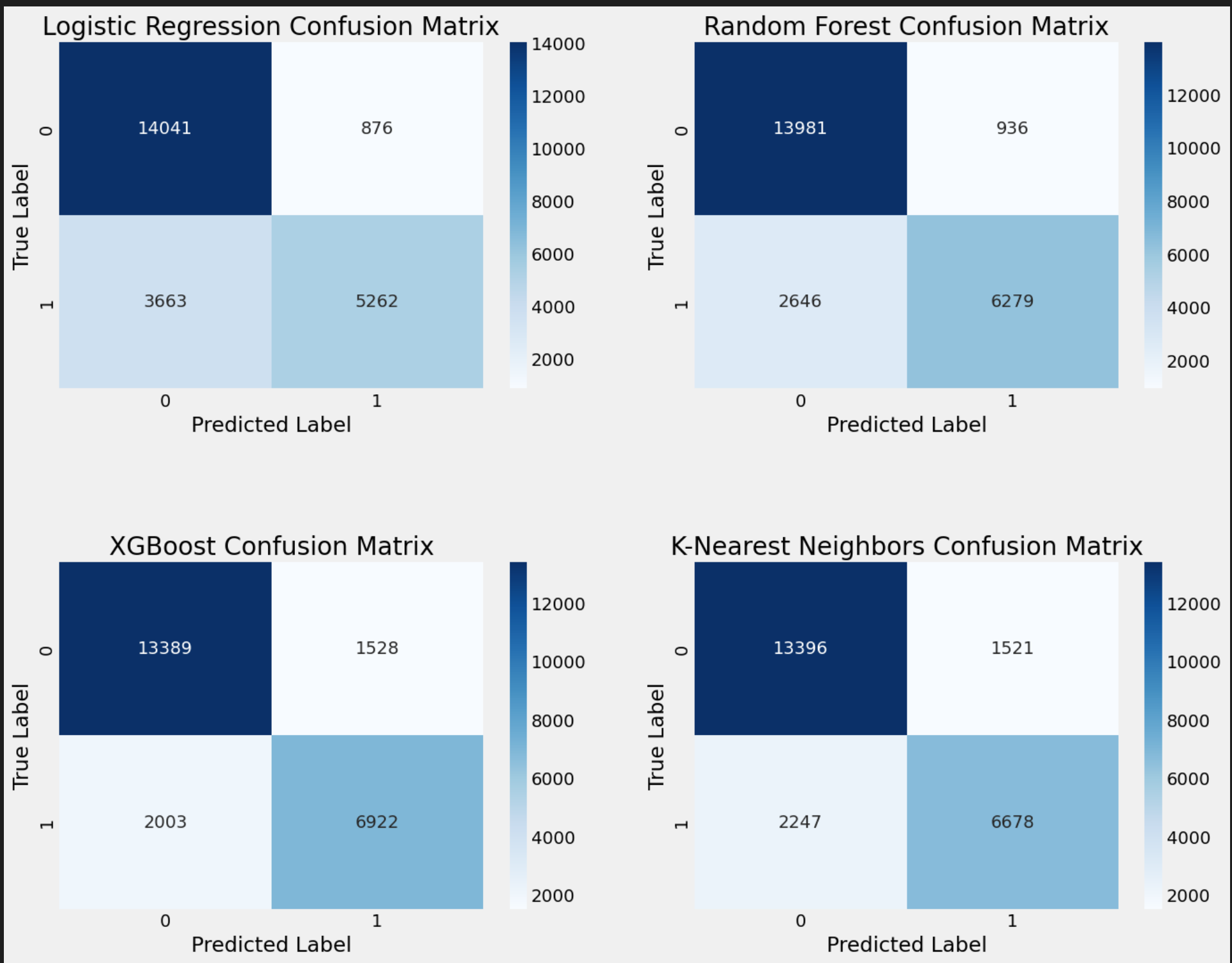
We trained multiple classifiers and evaluated on the test set:
Test Accuracy
- Logistic Regression: 0.8088
- KNN: 0.8166
- XGBoost: 0.8433
- Random Forest: 0.8670 (best)
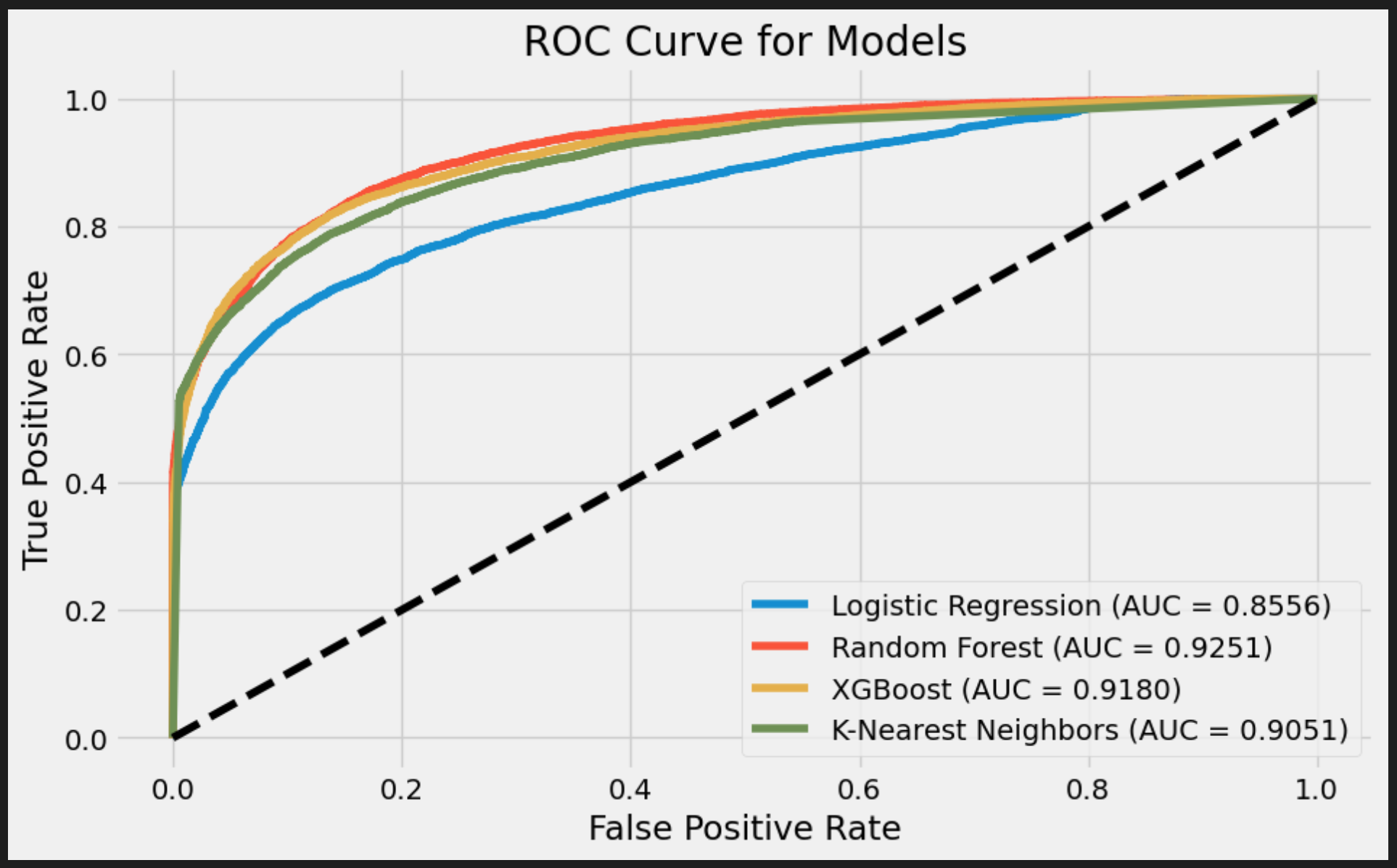
ROC-AUC
- Logistic Regression: 0.8556
- KNN: 0.9051
- XGBoost: 0.9180
- Random Forest: 0.9251 (best)
ROC curve comparison:
Confusion matrices:
Explainability (Top Features)
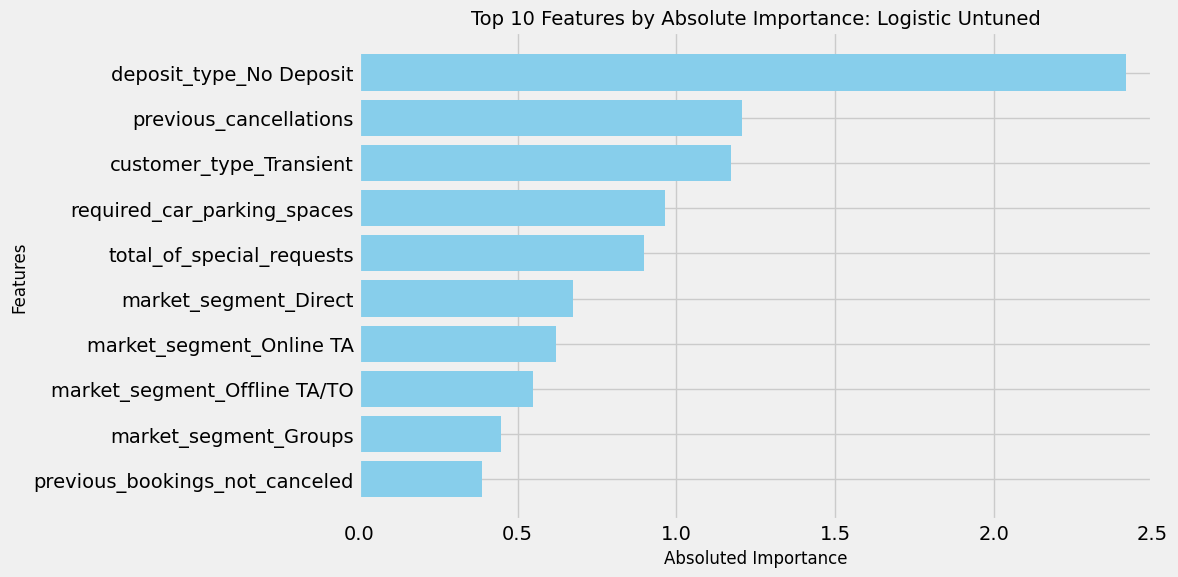
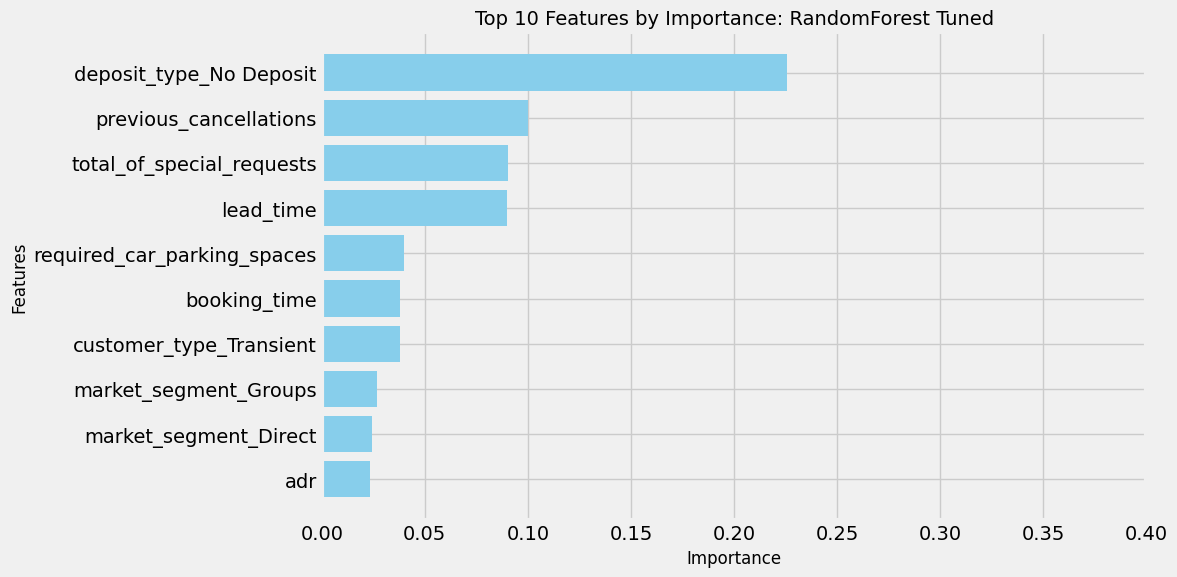
Across models, the strongest signals include:
- deposit type (No Deposit)
- previous cancellations
- lead time
- total special requests
- market segment
Logistic (top features):
Random Forest (top features):
Discussion
This project demonstrates that hotel cancellations are not random events, but are strongly driven by a small set of behavioral and operational signals.
Key Drivers of Cancellation Risk
Across multiple models (Logistic Regression, Random Forest, and XGBoost), we observed consistent agreement on the most predictive features:
deposit_type_No Depositprevious_cancellationsmarket_segment_Online TAtotal_of_special_requestsrequired_car_parking_spaces
These findings suggest that cancellation behavior is heavily influenced by booking commitment (deposit policy), historical customer behavior, and engagement indicators such as special requests.
Feature importance consistency across models strengthens the interpretability and business reliability of the results.
Model Performance Trade-offs
While Logistic Regression provides a strong interpretable baseline, ensemble models achieved substantially better predictive power:
- Random Forest reached the best overall performance (Accuracy = 0.867, AUC = 0.925)
- XGBoost performed similarly with strong ranking capability
This highlights the value of non-linear models in capturing complex booking interactions, especially under heterogeneous customer segments.
Pricing Patterns (ADR Insights)
In addition to cancellations, our exploratory analysis revealed clear seasonality and structural differences in ADR:
- Resort hotels exhibit stronger seasonal ADR peaks than city hotels
- Customer type and booking timing significantly influence pricing trends
These insights can support revenue management and dynamic pricing decisions beyond cancellation prevention.
Conclusion
We successfully developed an end-to-end analytics pipeline for hotel booking pattern discovery, combining:
- Large-scale data preprocessing and feature engineering
- Statistical hypothesis-driven exploration
- Predictive modeling for cancellation risk
- Pricing pattern analysis through ADR trends
Our best-performing model (Random Forest) achieved:
- Test Accuracy: 0.867
- ROC-AUC: 0.925
This enables hotels to identify high-risk bookings early, improve overbooking strategies, and optimize marketing and pricing policies.
Limitations & Future Work
Despite strong results, several limitations remain:
-
Temporal feature constraints
The dataset lacks booking update-time dynamics, which could further improve cancellation forecasting. -
Model generalization
Results may vary across regions or hotel chains; future work could validate robustness on newer datasets. -
Advanced modeling opportunities
Deep learning approaches or sequential customer-behavior models may capture richer booking trajectories.
Future extensions include incorporating real-time booking changes and expanding toward fully integrated ADR regression forecasting.
Business Value
- Overbooking support: prioritize high-risk cancellation bookings for intervention
- Policy optimization: deposit policy & channel strategy based on cancellation likelihood
- Revenue insights: seasonal ADR patterns help pricing and inventory planning
Cover Image Credit: me, my friend Harper's dog Charlie